US Midterms Put Crypto Regulation at a Crossroads
3 min read
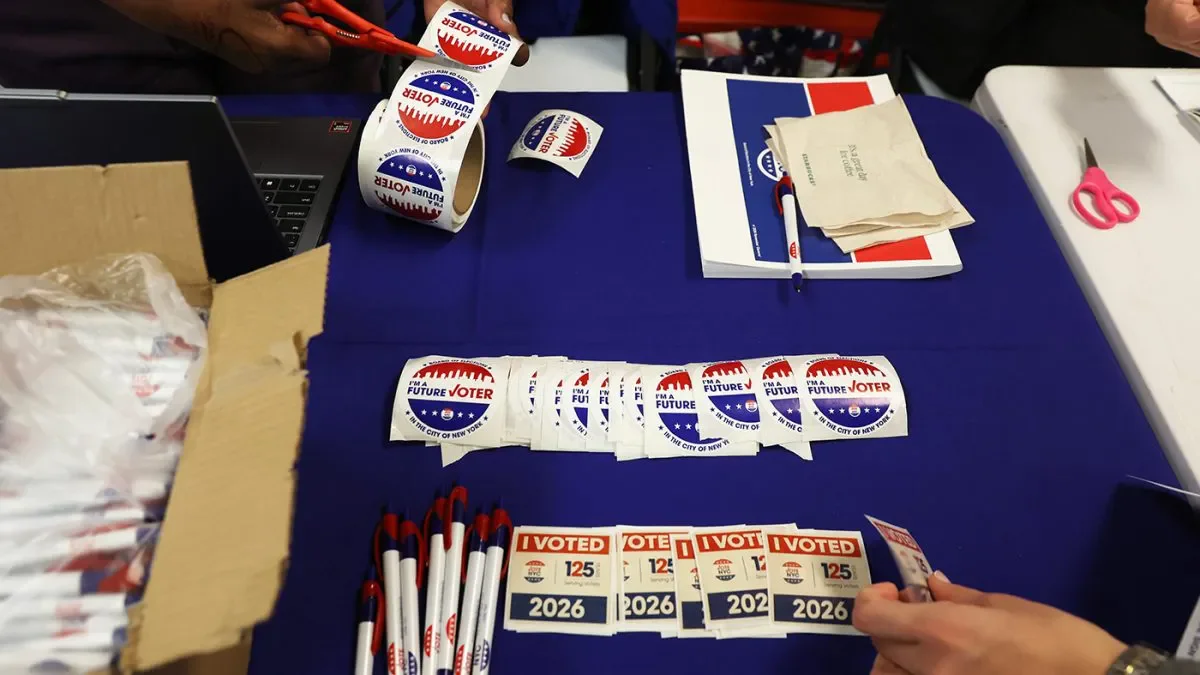
The November 3, 2026, midterm elections could reshape US cryptocurrency regulation after the Senate failed to advance the Digital Asset Market Clarity Act on September 15, leaving comprehensive market structure legislation facing an uncertain future.
The cloture motion on proceeding to the legislation fell short of the required 60 Senate votes. Republican Senators Susan Collins, Josh Hawley and Jerry Moran voted against the motion alongside Democratic senators, according to DLA Piper’s September 22 analysis.
The setback sharply reduced the prospect of enactment in 2026, while leaving a possible renewed legislative effort for the 120th Congress beginning in January 2027. The next Congress’s composition could determine whether lawmakers can negotiate a compromise.

Why the CLARITY Act Stalled
The legislation sought to establish clearer jurisdiction between the Securities and Exchange Commission (SEC) and Commodity Futures Trading Commission (CFTC).
Opponents objected to narrowly drafted ethics restrictions, exclusive Department of Justice enforcement authority and insufficient consumer safeguards. Democratic Senator Elizabeth Warren argued that investor protections remained inadequate, while state attorneys general raised concerns about losing enforcement powers.
The House had passed its version in July 2025, and the Senate Banking Committee advanced legislation in May 2026. However, subsequent negotiations failed to secure sufficient bipartisan support for a procedural vote.
Stablecoin Rules Move Towards Implementation
Unlike the stalled market structure legislation, the enacted GENIUS Act has established a statutory framework for payment stablecoins.
According to an October 27 WilmerHale analysis, the Office of the Comptroller of the Currency finalised implementing regulations effective January 18, 2027.
The framework maintains restrictions on issuer interest payments while requiring a 5% daily liquidity floor and limiting most exposures to individual counterparties to 40% of reserves.
Issuers also face an ongoing $5 million minimum capital floor, individualised capital requirements and an operational backstop covering 12 months of expenses.
SEC Pursues Alternative Regulatory Measures
With congressional market structure legislation stalled, the SEC is pursuing administrative reforms under Chairman Paul Atkins.
Its Regulation Crypto Assets proposal introduces two exemptions: startup offerings of up to $5 million over four years and fundraising offerings of up to $75 million within 12 months.
The proposal also establishes a conditional investment contract safe harbour when developers complete or permanently cease essential managerial efforts. These provisions remain proposed regulations, not enacted law.
Atkins said the initiative seeks to provide entrepreneurs with “clear pathways to raise capital under the federal securities laws.”
Bitcoin Reserve Proposal Remains Pending
Another legislative initiative, H.R.8957, proposes a Strategic Bitcoin Reserve and Digital Asset Stockpile.
The measure advanced out of committee by a 28–21 vote on September 16. Sponsored by Representative Nicholas Begich, the proposal includes a 20-year Bitcoin holding requirement and quarterly public verification reports.
Committee advancement does not constitute enactment. The measure would still require congressional approval and presidential signature.
What to Watch Next
The election results will establish the political balance facing the incoming Congress in January 2027. Lawmakers must then decide whether to revive comprehensive market structure legislation, while regulators continue implementing existing law and considering proposed rules. See another version
Live Bitcoin chart
Data: CoinGecko. Prices in USD.